How Wildlife Supports Healthy Ecosystems
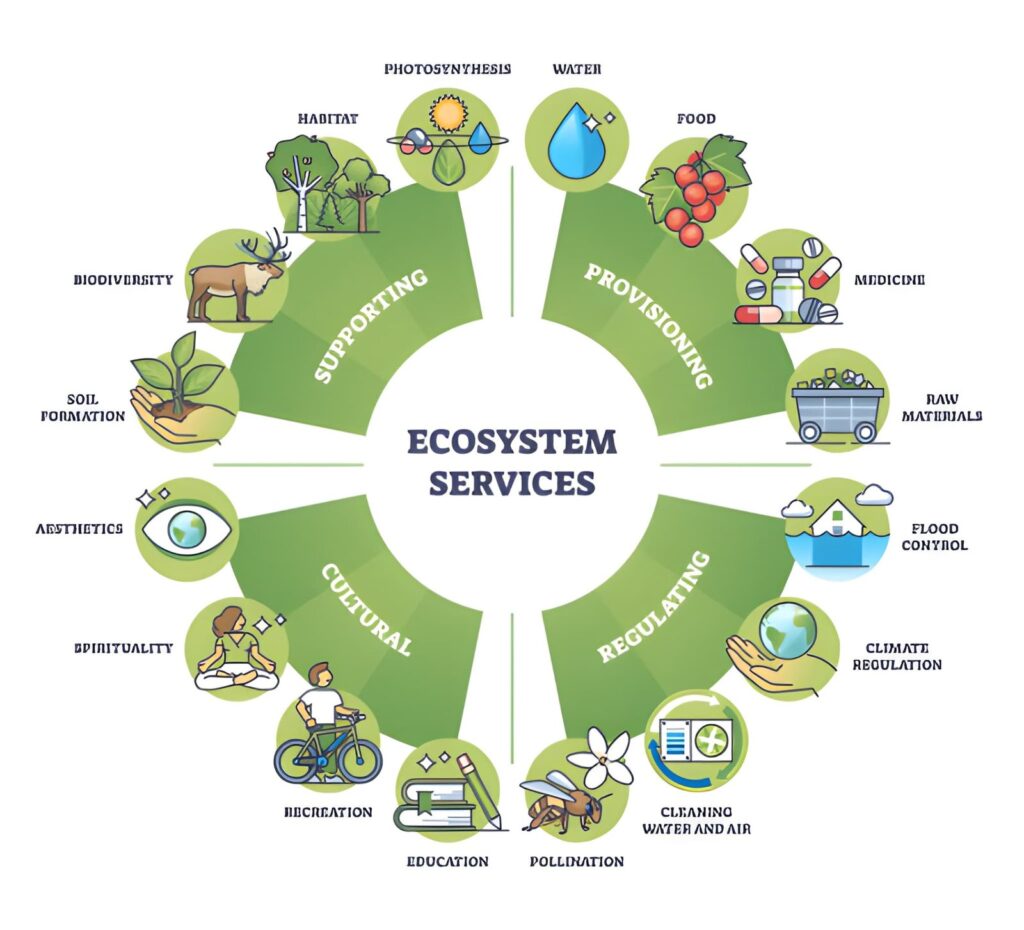
Wildlife plays a vital role in keeping Trang chủ TG88 nature balanced, productive, and resilient. From bees pollinating flowers to wolves regulating prey populations, wild animals help ecosystems function in ways that support clean air, fresh water, fertile soil, and stable food chains. Healthy ecosystems depend on the relationships between plants, animals, microorganisms, water, and climate. When wildlife disappears, these relationships can weaken, causing problems that affect both the natural world and human communities.
Understanding how wildlife supports healthy ecosystems helps us appreciate the importance of conservation, biodiversity, and sustainable living.
What Is a Healthy Ecosystem?
A healthy ecosystem is a natural environment where living and nonliving elements work together in balance. Forests, grasslands, oceans, wetlands, rivers, and deserts are all ecosystems. Each contains plants, animals, fungi, bacteria, soil, water, and air that interact in complex ways.
In a healthy ecosystem, species populations remain relatively stable, nutrients cycle efficiently, and habitats can recover from natural disturbances such as storms, fires, or seasonal changes. Wildlife is essential to this balance because animals influence food webs, plant growth, soil health, seed movement, and disease control.
Wildlife Maintains Biodiversity
Biodiversity refers to the variety of life in an ecosystem, including animals, plants, insects, fungi, and microorganisms. High biodiversity makes ecosystems stronger and more adaptable. When many species are present, an ecosystem is better able to withstand threats such as climate change, disease, invasive species, and habitat loss.
Wildlife supports biodiversity by filling different ecological roles. Predators, herbivores, scavengers, pollinators, and decomposers all contribute to the natural balance. For example, birds may control insect populations, while large herbivores shape grasslands through grazing. Every species has a part to play, and even small animals can have major effects on ecosystem health.
Pollination Supports Plant Growth
One of the most important ways wildlife supports healthy ecosystems is through pollination. Pollinators such as bees, butterflies, moths, birds, bats, and beetles transfer pollen from one flower to another, allowing plants to reproduce.
Pollination is essential for wild plants and agricultural crops. Many fruits, vegetables, nuts, and seeds depend on animal pollinators. In natural ecosystems, pollination helps maintain plant diversity, which provides food and shelter for countless other species.
Without pollinators, many plants would decline, reducing food sources for herbivores and disrupting entire food webs. Protecting pollinator habitats is therefore critical for both ecosystem health and human food security.
Seed Dispersal Helps Forests and Grasslands Regenerate
Wildlife also helps plants spread through seed dispersal. Animals such as birds, monkeys, deer, bears, squirrels, and bats eat fruits and carry seeds to new locations. Some seeds pass through the digestive system and are deposited in nutrient-rich droppings, giving them a better chance of growing.
Seed dispersal allows forests, grasslands, and wetlands to regenerate naturally. It helps plants colonize new areas, recover after disturbances, and maintain genetic diversity. For example, many tropical trees rely on animals to move their seeds. If these animals disappear, the forest may struggle to renew itself.
Predators Keep Food Chains Balanced
Predators are essential for healthy ecosystems because they help control prey populations. Wolves, lions, sharks, owls, foxes, and other predators prevent herbivores or smaller predators from becoming too numerous.
When prey populations grow unchecked, they can overgraze vegetation, damage habitats, and reduce plant diversity. A well-known example is the reintroduction of wolves to Yellowstone National Park. Wolves helped regulate elk behavior and numbers, allowing vegetation in some areas to recover. This benefited birds, beavers, insects, and other wildlife.
Predators also improve prey populations by often targeting weak, sick, or old individuals. This natural selection can help maintain healthier animal communities.
Scavengers and Decomposers Recycle Nutrients
Scavengers and decomposers play a critical role in cleaning ecosystems and recycling nutrients. Scavengers such as vultures, hyenas, crabs, crows, and beetles feed on dead animals. By doing so, they remove carcasses that could otherwise spread disease.
Decomposers, including insects, worms, fungi, and bacteria, break down dead plants and animals into simpler substances. These nutrients return to the soil and support new plant growth. This process is essential for fertile soil, productive forests, and healthy grasslands.
Without scavengers and decomposers, waste would accumulate, nutrient cycles would slow, and ecosystems would become less productive.
Wildlife Improves Soil Health
Healthy soil is the foundation of many ecosystems. Wildlife helps create and maintain soil by digging, burrowing, grazing, and decomposing organic matter. Earthworms aerate soil and improve water movement. Ants and termites break down plant material and mix nutrients into the ground. Burrowing animals such as prairie dogs and rabbits loosen compacted soil, allowing roots to grow more easily.
Large grazing animals can also benefit soil when their populations are balanced. Their manure adds nutrients, while their movement can help press seeds into the ground. In this way, wildlife contributes directly to soil fertility and plant growth.
Aquatic Wildlife Keeps Water Ecosystems Healthy
Wildlife is just as important in rivers, lakes, wetlands, and oceans. Fish, amphibians, shellfish, aquatic insects, and marine mammals all support water ecosystem health.
For example, oysters and mussels filter water, improving clarity and quality. Beavers build dams that create wetlands, which store water, reduce flooding, and provide habitat for many species. Fish move nutrients through aquatic food webs, while amphibians help control insects and serve as indicators of environmental health.
Marine wildlife also plays a major role. Coral reef species maintain reef balance, sharks regulate ocean food chains, and whales help cycle nutrients through the sea.
Wildlife Helps Control Pests and Disease
Many wild animals naturally control pests. Birds, bats, frogs, spiders, and insects feed on mosquitoes, crop pests, and other species that can become harmful when populations grow too large.
This natural pest control reduces the need for chemical pesticides, which can harm soil, water, and non-target species. Healthy wildlife populations can also reduce disease risks by maintaining balanced ecosystems. When biodiversity declines, certain disease-carrying species may become more dominant, increasing the chances of disease transmission.
Why Protecting Wildlife Matters
Protecting wildlife is not only about saving individual species. It is about preserving the natural systems that support life on Earth. Healthy ecosystems provide essential services, including clean water, food production, carbon storage, flood protection, climate regulation, and recreation.
Threats such as habitat destruction, pollution, climate change, overhunting, and invasive species continue to harm wildlife worldwide. Conservation actions like protecting habitats, restoring native plants, reducing pollution, supporting sustainable farming, and creating wildlife corridors can help ecosystems recover.
Conclusion
Wildlife supports healthy ecosystems in countless ways. Animals pollinate plants, disperse seeds, balance food chains, recycle nutrients, improve soil, clean water, and control pests. Each species contributes to the stability and resilience of nature.
By protecting wildlife and preserving biodiversity, we protect Rút tiền TG88 the ecosystems that provide clean air, fresh water, fertile soil, and food. A healthy planet depends on thriving wildlife, and the future of both nature and humanity relies on keeping ecosystems balanced and alive.